
How to Improve Hip Extension (You're Probably Doing it Wrong)
May 07, 2026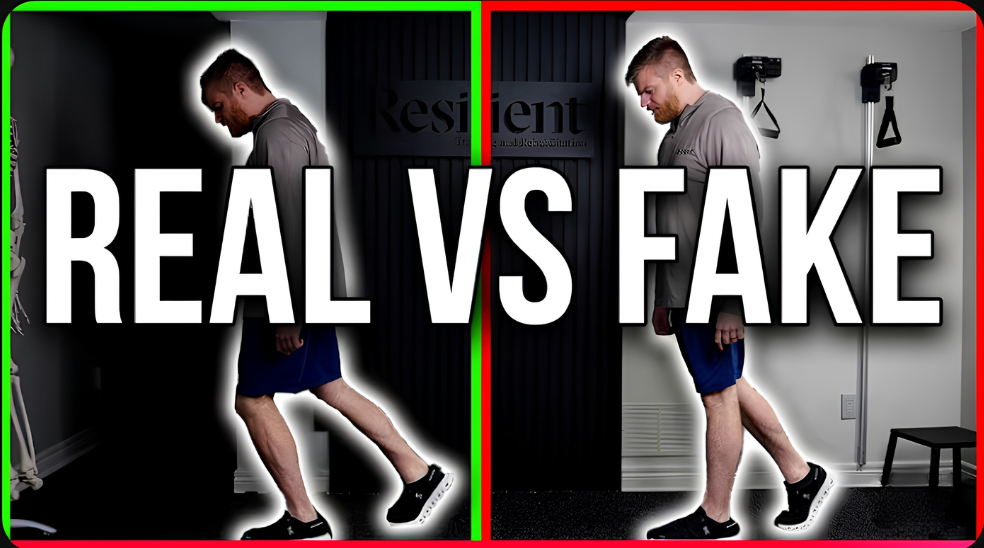
Hip extension is one of the most important movements in the lower body. It drives athletic performance, powers pushing off when you walk, and shows up in almost every lower body exercise you can think of. But here's the problem: most people aren't actually training it.
They think they are. Their clients think they are. But what's actually happening is a series of compensations that mimic hip extension without producing it. And a lot of the most common coaching cues are making it worse.
Here's how to tell the difference, and what to do about it.
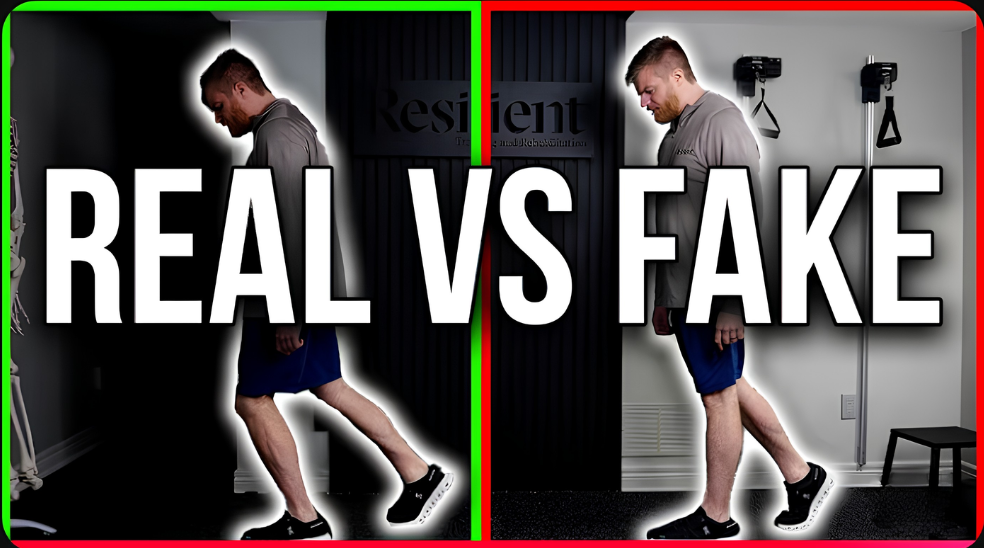
Real Hip Extension vs. Fake Hip Extension
Real hip extension happens when the pelvis moves around a fixed femur. The knee stays bent, the hip drives through, and the pelvis comes up and over. That's the movement you're after.
Fake hip extension happens when the knee locks out first. The moment the knee hyperextends, it closes off the back of the pelvis and rotates the whole hip away instead of through. You get the appearance of extension, but the movement isn't actually happening at the hip. It's happening at the knee, the lower back, or both.
The three most common compensations you'll see are lower back arching, excessive glute squeezing, and knee hyperextension. And here's where it gets frustrating: cues like "squeeze your glutes," "drive your hips through," and "lock out at the top" all reinforce these patterns. They're cueing knee extension before hip extension, which is exactly backwards.
To get real hip extension, you need to keep the knee fixed and let the pelvis move around it. Once that clicks, everything else follows.
Where You'll See It Go Wrong
Lateral Lunges
The lateral lunge is a great exercise for hip extension when it's done well. Most of the time it isn't.
The two most common errors are going too wide (so the hip ends up inside the knee) or hyperextending the trailing knee to push across. When someone hyperextends that knee, you'll see the hip swing out instead of driving toward the working leg. The whole pelvis rotates away.
The fix is keeping the trailing knee unlocked and pushing the ground away diagonally rather than just going sideways. When you do this, the hips rotate toward the front leg instead of away from it. It's a subtle cue that produces a completely different movement pattern. If your client is struggling to feel it, try having them push against a wall or a kettlebell on the outside edge of the foot so they have something to press into.
Deadlifts
The deadlift is probably the most common place to see fake hip extension reinforced through cueing. "Push your hips through" at lockout almost always results in the person launching forward onto their toes with a hyperextended knee. The hips go in front of the body instead of under it.
What you want instead is for the knees to stay bent throughout the lift, with the pelvis lifting up and over the femurs rather than swinging forward. Hips stay back, weight stays in the heels, and extension comes from the hip rather than the knee.
One useful drill: put a band around the knees and anchor it so it keeps them bent. If the client feels themselves pushing into the band, they've gone too far back. The goal is to let the pelvis come up and over while the knees stay forward. At lockout, the hips should be under the body, not in front of it.
Glute Bridges
With the glute bridge, the compensation usually shows up as the ribcage leading the movement. The lower back arches, the stomach rises, and the client feels it in their spine instead of their glutes. Sometimes you'll also see the knees caving in or flaring out excessively as the body tries to generate force through the spine instead of the hip.
The fix starts at the bottom. Before the client even lifts, have them gently press the back of their pelvis into the ground, not the stomach. Then cue them to press through the inside of their feet and drive their knees forward as they come up, the same knee-forward emphasis as the deadlift.
When this is done right, the hips come underneath the body, the glutes fire properly at the top because the pelvis is in the right position to let them, and the ribcage stays put. It looks and feels completely different from the arched-back version.
The Pattern Across All Three
It's the same fix every time. Keep the knee fixed. Let the pelvis move around it. That's real hip extension.
When the knee locks out first, you lose the space at the back of the pelvis that allows the hip to actually extend. Every compensation you see is the body trying to find extension somewhere else because it can't find it at the hip.
Once you understand that, a lot of the movement problems you see with clients start to make a lot more sense.
Want to see all three of these demonstrated in real time? Watch the full video breakdown on YouTube.
And if you want to go deeper on why compensations like these happen and how to assess and address them with your clients, the Foundations of Biomechanics course covers exactly this. It's a six-week self-paced course built for coaches and clinicians who want a systematic framework for understanding movement. You can learn more and enroll here.

