
The Two Types of Shoulder Impingement and How to Fix Them
Dec 17, 2025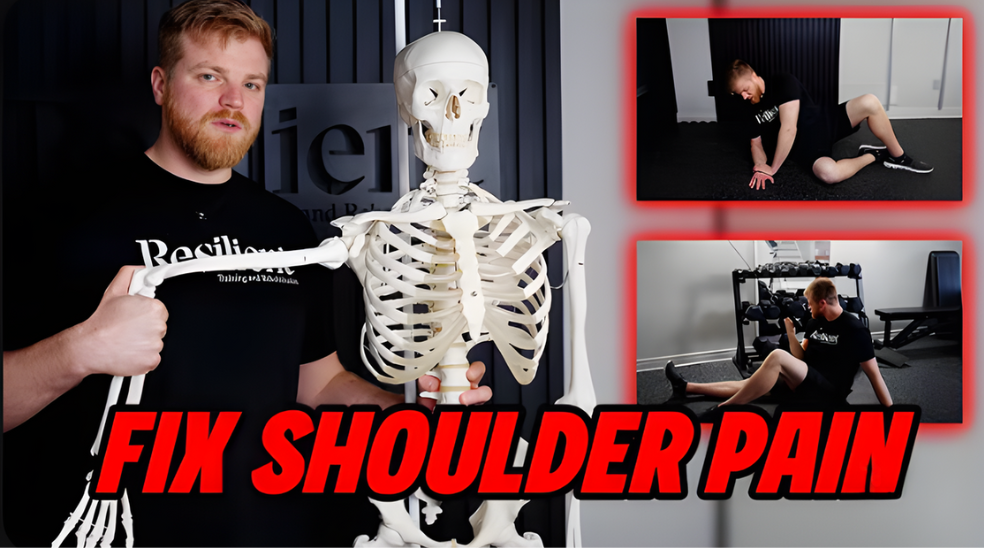
Shoulder impingement is one of the most common labels given to shoulder pain.
Front-of-shoulder discomfort during pressing, pain when reaching overhead and discomfort that shows up inconsistently and seems to linger no matter how much mobility or strengthening work someone does.
The issue is that “shoulder impingement” is not one thing.
In practice, there are two very common types of shoulder impingement that look similar on the surface but are driven by very different limitations underneath. If you treat them the same way, you often end up chasing symptoms instead of addressing the actual restriction.
Let’s break down what differentiates these two patterns, why they happen, and what needs to change to improve them.
Type 1: Front-of-Shoulder Impingement During Pressing
The first type of shoulder impingement typically shows up during pressing or horizontal movements. People often feel it in the front of the shoulder when doing push-ups, bench variations, or even reaching across the body.
A common way this is assessed is through a position similar to the Hawkins-Kennedy test. The arm is brought into flexion, adduction, and internal rotation. If this recreates symptoms, it gives us a clue about what motion the system is struggling to control.
What’s Really Limited
In this pattern, the problem is rarely a lack of strength. The issue is usually a limitation in shoulder internal rotation paired with flexion, combined with poor scapular movement.
For internal rotation to happen efficiently, the scapula has to be able to move slightly on the ribcage. When that movement is restricted, the shoulder joint itself runs out of room.
This restriction often comes from how the ribcage and shoulder blade are positioned:
-
A rounded shoulder position places the humerus in internal rotation before movement even begins
-
A heavily squeezed or pinned-back shoulder blade biases the arm toward external rotation, making internal rotation harder to access
In both cases, the scapula cannot adjust as the arm moves. When the body senses that it cannot access internal rotation, it finds a workaround.
Common Compensations You’ll See
When pressing or lowering into a push-up, two compensations tend to show up:
-
The shoulders shrug upward
-
The shoulders round forward excessively
Shrugging artificially creates space by lifting the arm away from the ribcage. Rounding creates space by collapsing the front of the body. Both are attempts to open the front of the shoulder when true internal rotation is missing.
These compensations are not the cause of pain. They are the body’s attempt to avoid running out of motion.
What Needs to Improve
To address this type of impingement, the goal is not stretching the front of the shoulder. The goal is restoring controlled internal rotation while allowing the scapula to move naturally.
That means teaching the system how to:
-
Flex the arm without locking the shoulder blade
-
Internally rotate the shoulder and wrist together
-
Expand the front of the ribcage without shrugging or rounding
Side plank variations that emphasize internal rotation, wrist involvement, and ribcage expansion are often effective here, especially when the position limits compensation and gives the body feedback it can actually use.
Type 2: Shoulder Impingement at End-Range Overhead
The second type of impingement shows up primarily at end-range overhead positions. This is the person who feels discomfort when reaching all the way up or pressing overhead near lockout.
This pattern is less about what happens early in the motion and more about what happens when the system reaches its limit.
Understanding Shoulder Range of Motion
The shoulder joint itself only provides about 120 degrees of flexion. Anything beyond that has to come from somewhere else.
To reach full overhead range, the body relies on:
-
Posterior tilting of the scapula
-
Expansion through the upper back
-
Subtle movement and rotation at the base of the neck
If those areas cannot move, the shoulder blade cannot tilt back. When that happens, the body again finds a workaround.
Common Compensations You’ll See
When overhead motion is limited, you’ll often see:
-
Excessive arching through the ribcage
-
Aggressive squeezing of the shoulder blades together
-
Forward translation of the shoulder on the ribcage
All of these strategies attempt to create space when the upper spine and scapula cannot do it on their own. The result is compression at the front of the shoulder, even though the problem originates higher up the chain.
What Needs to Improve
This type of impingement requires restoring space at the base of the neck and upper thoracic spine. Without that expansion, the scapula cannot tilt back, and overhead range will always feel limited or uncomfortable.
Key priorities include:
-
Opening the upper back
-
Allowing controlled extension and rotation of the cervical spine
-
Creating traction through the shoulder rather than compressing it
Cable-based movements, such as modified lat pulldown variations, work well here because they provide traction while encouraging spinal expansion and rotation. When paired with breathing and controlled head movement, they help restore the missing components that true overhead motion depends on.
Why This Distinction Matters
Both types of shoulder impingement can feel similar to the person experiencing them. Both may show up as front-of-shoulder pain. But the driver is different.
One is primarily limited by internal rotation and scapular freedom during flexion.
The other is limited by upper spinal expansion and scapular posterior tilt at end range.
If you treat both with the same exercises, progress is usually slow or nonexistent.
The key takeaway is this: shoulder pain is rarely just a shoulder problem. It is a system problem. When you identify where the system is running out of options, the solution becomes much clearer.
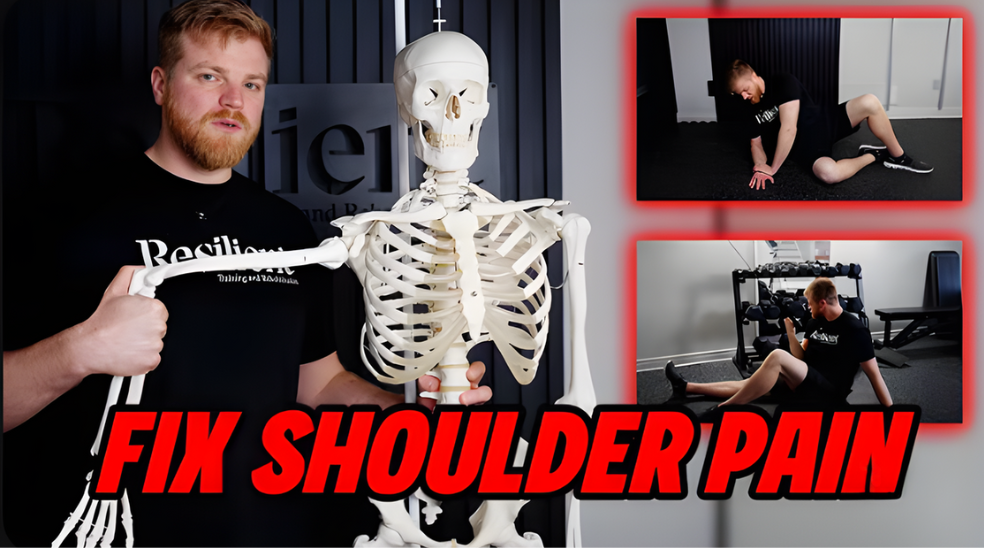
In the accompanying video, I walk through how to assess each pattern and demonstrate exercises that address the underlying limitations. More importantly, I explain the principles behind them so you can apply the same reasoning to different shoulders, different bodies, and different movement contexts.
Understanding the “why” is what allows real change to happen.
If you want to see these concepts broken down visually, you can watch the full video here:
The Two Types of Shoulder Impingement and How to Fix Them
Want to learn how to apply these concepts to real world case studies and compensations like this, then join my EVOLVE Biomechanics Mentorship here!

