
Are You Stretching Your Hips Wrong?
Sep 24, 2026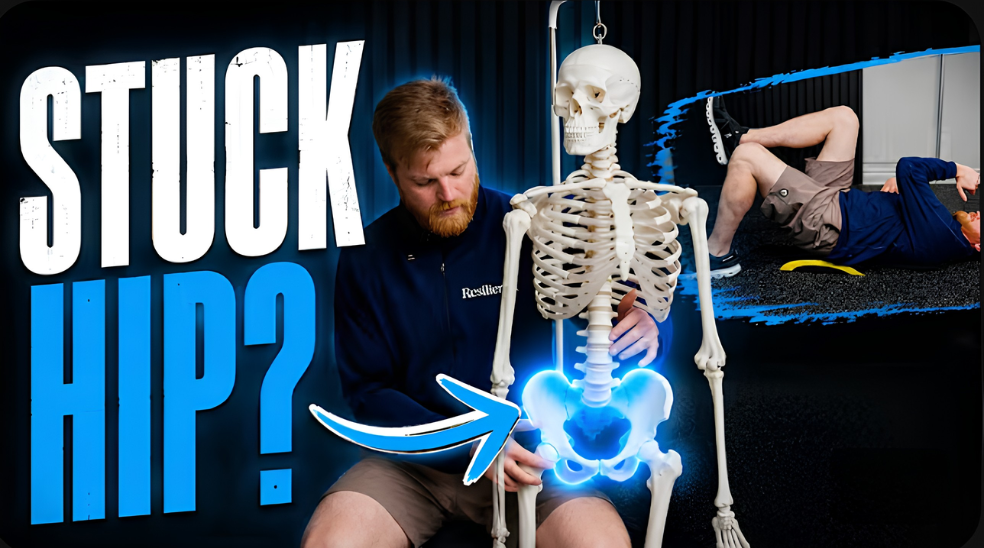
If you've ever watched a client's back knee refuse to come down in a shin box or 90/90 stretch, no matter how many times you tell them to relax into it, you've run into this same wall. It usually gets treated as a stretching problem. It isn't one.
The Cue That Doesn't Work
The standard cue for a knee that won't drop is to push it down and let go into the stretch. It's a reasonable instruction on the surface, and it's the one most coaches reach for first. The trouble is that it doesn't address what's limiting the movement.
When someone can't get into external rotation at the hip, the limitation is rarely in the muscles around the joint. It's in where the pelvis is sitting. If the pelvis is turned away from the working side, pushing the knee down doesn't create rotation at the hip at all. It just teaches the entire pelvis to rotate as one block toward that side. The client isn't lengthening the muscles you think they're lengthening, and they aren't gaining any new range. Next time they load into the same position, they'll hit the same limitation, because nothing about the underlying position has changed.
This is also where a cramp on the outside of the hip tends to show up. When the back leg is extended and the pelvis dumps into rotation, the TFL ends up contracting while it's already in a lengthened position. That combination is what triggers the cramp, and it's a sign the pelvis moved instead of the hip.
It's a Position Problem, Not a Muscle Problem
Here's a simple way to feel this on yourself. Sit on the ground and lean back toward one leg. You'll notice the opposite knee lifts off the ground almost immediately. That's the pelvis rotating toward the leg you leaned into, regardless of how tight or loose that hip really is.
The same thing happens in a shin box or 90/90 stretch. A pelvis that's turned toward one side will lift the opposite knee every time. So external rotation limitations, and internal rotation limitations, usually come back to the same root cause: pelvis position. The muscles around the hip aren't the problem. How the pelvis is oriented is what's restricting them.
Restoring Pelvis Position Before You Stretch
Once you know the pelvis is the real issue, the correction happens before you ask for the stretch, not during it. There are a few ways to do that.
One option is placing a pad on the outside of the hip that's rotated away, which reduces tension in the muscles driving that rotation and gives the client leverage to push off the opposite leg instead of rolling into the position. A second option changes where the pad sits to shift how much the client can internally rotate the working leg before turning into the stretch. A third places a pad underneath the opposite glute to lift the pelvis off that side and shift weight onto the working hip.
A related exercise that reinforces the same correction is a hook-lying cross connect with the knee bent. Lifting the hips with a pad underneath opens the pelvis passively, without asking the client to engage anything through the foot. Extending the opposite leg long causes the pelvis to rotate toward the working side, and reaching the elbow across the body adds rotation through the ribcage. Together, those pieces let the client sit back into the hip instead of forcing the position from the outside in.
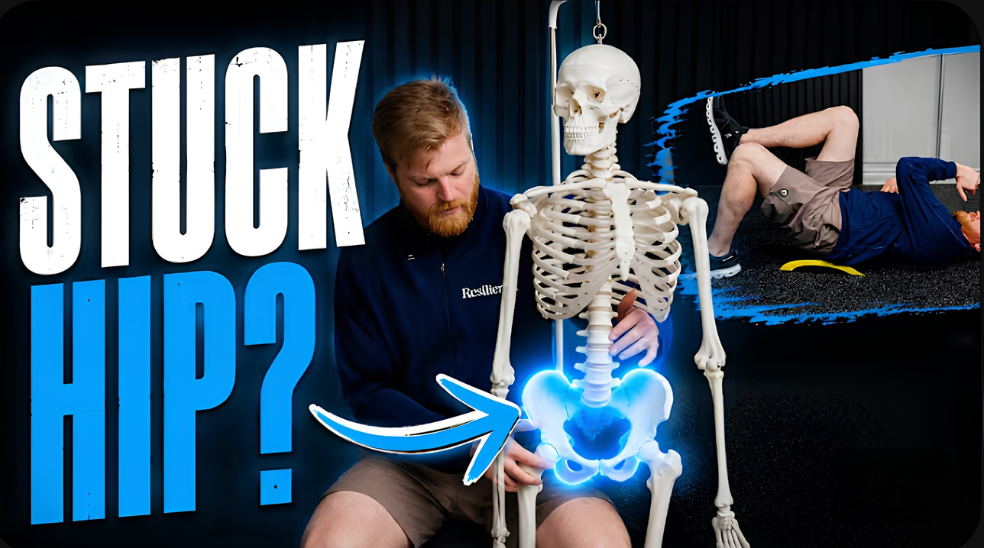
The pad placements and the cross connect variation are easier to watch than to read about, which is why I broke down all three pelvis adjustments plus the full cross connect setup in this week's video.
Why This Matters Beyond the Shin Box
The real value here goes past the shin box. Learning to read what the pelvis is doing before deciding what a client's hips need changes how you approach assessment overall. Coaches who default to cueing the muscle at the joint tend to repeat the same instruction session after session, because the cue was never addressing the actual limitation. Coaches who start reading pelvis position get a different outcome, because they're finally working with what's causing the restriction.
Where This Gets Built Into Your Assessment Process
This is the exact shift EVOLVE is built around, training your eye to catch what the pelvis is doing before you program around a symptom. Coaches who go through it tend to end up fully booked, and it's not because they added more marketing. It's that clients they'd struggled to make progress with for years finally start moving. I hear about it constantly in the VAULT, coaches posting the exact case they'd been stuck on, then coming back weeks later with an update once something clicked.
EVOLVE's final lesson is a full assessment walkthrough, and it's consistently the piece coaches tell us mattered most once they started applying it with real clients.
The next cohort starts October 12. It's also the last time you'll be able to join EVOLVE at this price. Once this round closes, that price is gone for good.
You can join EVOLVE here.

