
Why Foam Rolling Isn't Working For You
Jul 23, 2026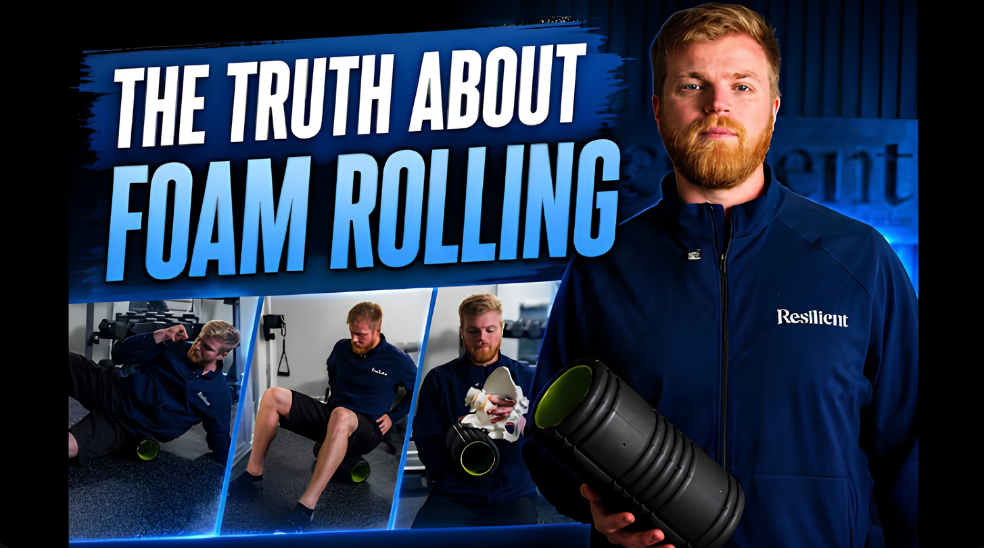
If you've ever foam rolled the same spot night after night and wondered why nothing seems to change, you're not alone. I hear this constantly from coaches and from their clients: they roll consistently, sometimes for months, and the tension just keeps coming back. The problem isn't a lack of effort. The problem is what most people believe foam rolling is supposed to do in the first place.
The claims don't hold up
A lot of the popular claims around foam rolling simply don't match how the body actually works. Breaking up fascia, for example, requires more force than a person can generate rolling on their own body weight. Reducing "muscle knots" through direct pressure alone tends to produce short-lived relief at best. If you're chasing those outcomes, it makes sense that the results feel inconsistent.
That inconsistency is a big part of why foam rolling's reputation seems to cycle. It gets popular, people don't see lasting change, it falls out of favor, then it comes back around again. The tool isn't the issue. The way it's typically used is.
What's actually driving the tension
Here's the shift that changes everything: muscle tension is often a downstream effect of joint position, not the root cause itself. Instead of asking which muscle feels tight, the more useful question is what joint shape is creating that tension in the first place.
Take tight glutes as an example. That tightness is frequently tied to a pelvis sitting in a more open position. Rolling the glutes directly can feel good and even create some temporary change, but if the underlying pelvis position never shifts, the tension has every reason to come right back.
The same pattern shows up in the upper body. Someone who's constantly cueing themselves to squeeze their shoulder blades together will often end up with the ribcage pushed forward and the shoulder socket rotated outward. Rolling the upper back addresses the symptom, not the rib and shoulder position that's actually driving it.
This is why focusing on joint shape, rather than isolating individual muscles, tends to produce results that actually stick.
Three exercises built around joint position
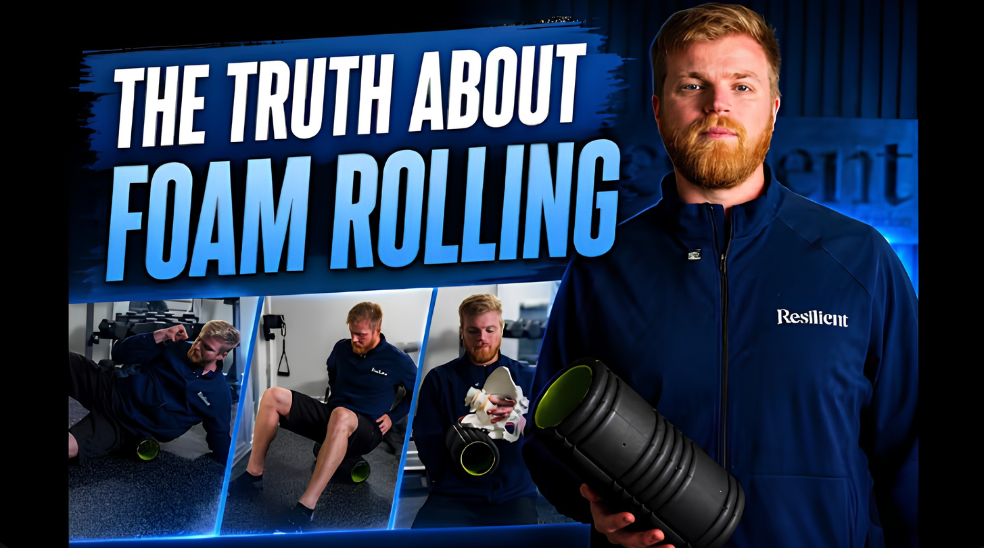
In the video, I walk through three foam rolling exercises that take this joint-first approach:
A pelvis exercise that targets the space between the sit bones, designed to open up a pelvis that's sitting closed and tight.
A hip exercise using a walkover pattern that helps restore internal rotation of the pelvis, paired with foot and knee positioning to reinforce the movement.
An upper body exercise that restores compression through the back side of the ribcage and shoulder, useful for anyone whose shoulder blades and ribcage tend to sit in a forward, squeezed position.
Each one uses roller placement and body positioning to influence joint shape directly, rather than just applying pressure to a muscle. The full setup and cueing for each exercise, including foot position, breathing, and common mistakes to watch for, is easier to follow by watching than reading, so I'd recommend checking out my YouTube video for the complete walkthrough.
Why this matters beyond foam rolling
None of this means foam rolling is useless. It means the tool works a lot better once you understand what you're actually trying to influence. Muscle tension rarely exists in isolation. It's almost always connected to how a joint is positioned and how the body around it is compensating.
This kind of thinking, looking at joint position and shape rather than treating muscles as isolated problems to solve, is something I teach in more depth inside Foundations of Biomechanics. It's the framework that makes tools like foam rolling, and honestly most of the interventions coaches use day to day, actually make sense and produce consistent results.

