
Why Your Glutes Stay Tight No Matter How Much You Stretch Them
Aug 27, 2026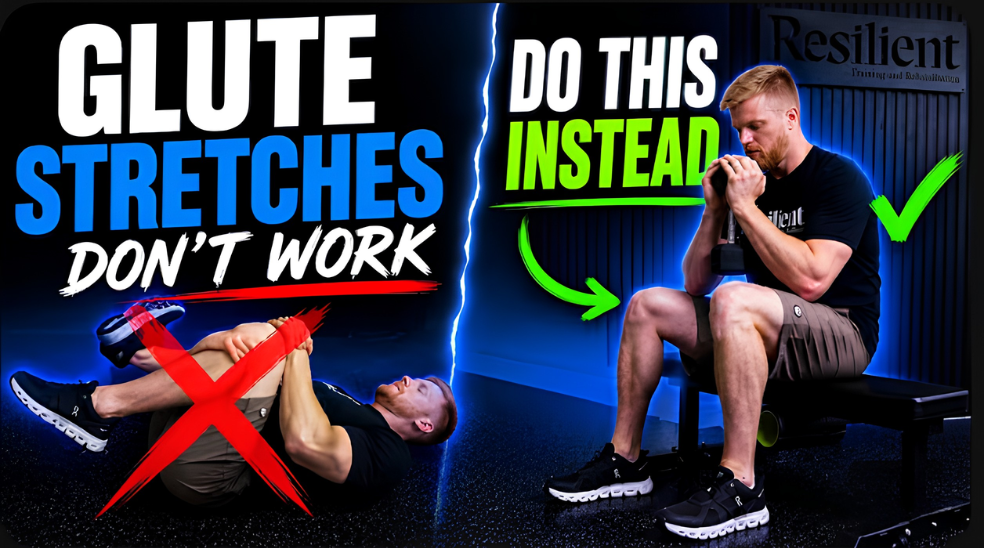
Tight glutes come up in almost every conversation I have with coaches and clinicians. And almost every time, the client has already tried stretching. They've done the pigeon pose, the foam rolling, the whole routine. It feels good for a few minutes and then the tension is right back.
Here's the part most people miss. That tightness usually isn't coming from the glutes at all.
The pelvis is the real starting point
It starts with pelvis position. When the pelvis opens up like a flower, the back of the hip compresses and the sit bones pull toward each other. That puts the leg into external rotation, which is the same motion you'd feel if you squeezed your glutes on purpose.
The muscles are doing exactly what the position is asking them to do. They're just stuck doing it all the time. That constant demand is what shows up as tightness, even though nothing is actually short or overworked in the way stretching assumes.
The pelvic floor connection
There's a second piece too, and it's one people rarely connect to glute tension.
The pelvic floor attaches from the tailbone to the front of the pelvis, forming a kind of hammock. When the pelvis opens up, that hammock descends and loses pressure. That's actually useful for something like the bottom of a squat, where you want that muscle to lengthen and control the descent rather than staying stiff.
The problem shows up when it stays descended too long. The body can't generate the pressure it needs to come back up, so it recruits the glutes and other outside muscles to force the movement instead. It works, but it's not efficient, and it's a big part of why the tension never resolves no matter how much stretching happens.
Two exercises to restore the position
In this week's video, I walk through both of these pieces in more detail and give you two exercises I use often to address them.
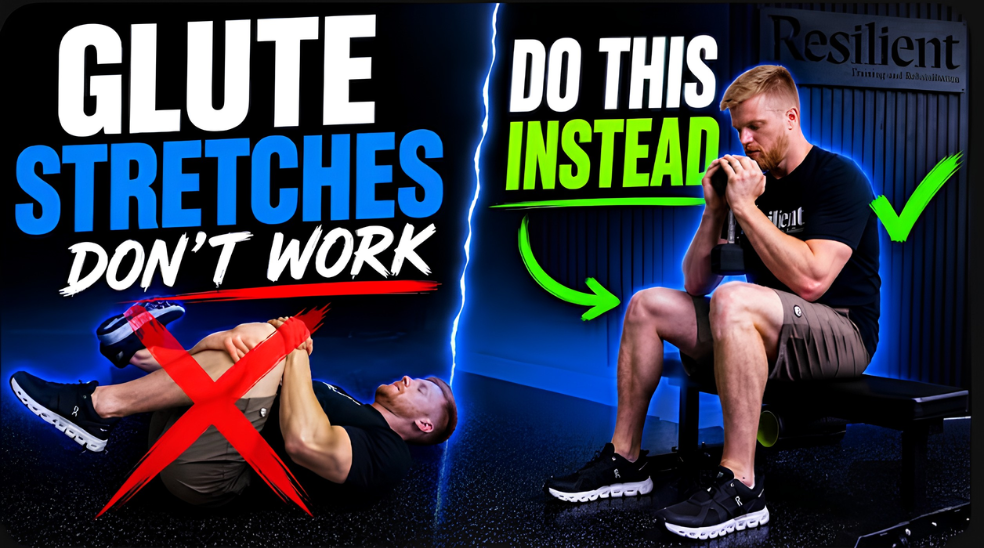
One targets the sit bone separation directly using a foam roller, something I call the Buck Cracker in my Vault community. The other is a box squat variation with the hips elevated, which helps restore the pressure management piece so the body stops relying on the glutes to force the lift.
I show the full setup and coaching cues for both in the video below.
Where this fits into the bigger picture
Tight glutes are rarely a standalone issue. They're usually one signal pointing back to pelvis position and how well someone can manage pressure through a movement. Once you start looking at compensations this way, a lot of the "stubborn tightness" cases start to make a lot more sense.
If you want a clearer way to match exercises to what a client's body actually needs, that's what Roadmap to Exercise Selection is built for.

